
Mobile security patrols.
Agreed visits. Clear reporting.
Request security checks across suitable properties and premises. Start with the locations, visit requirements and the practical arrangements that make a route workable.
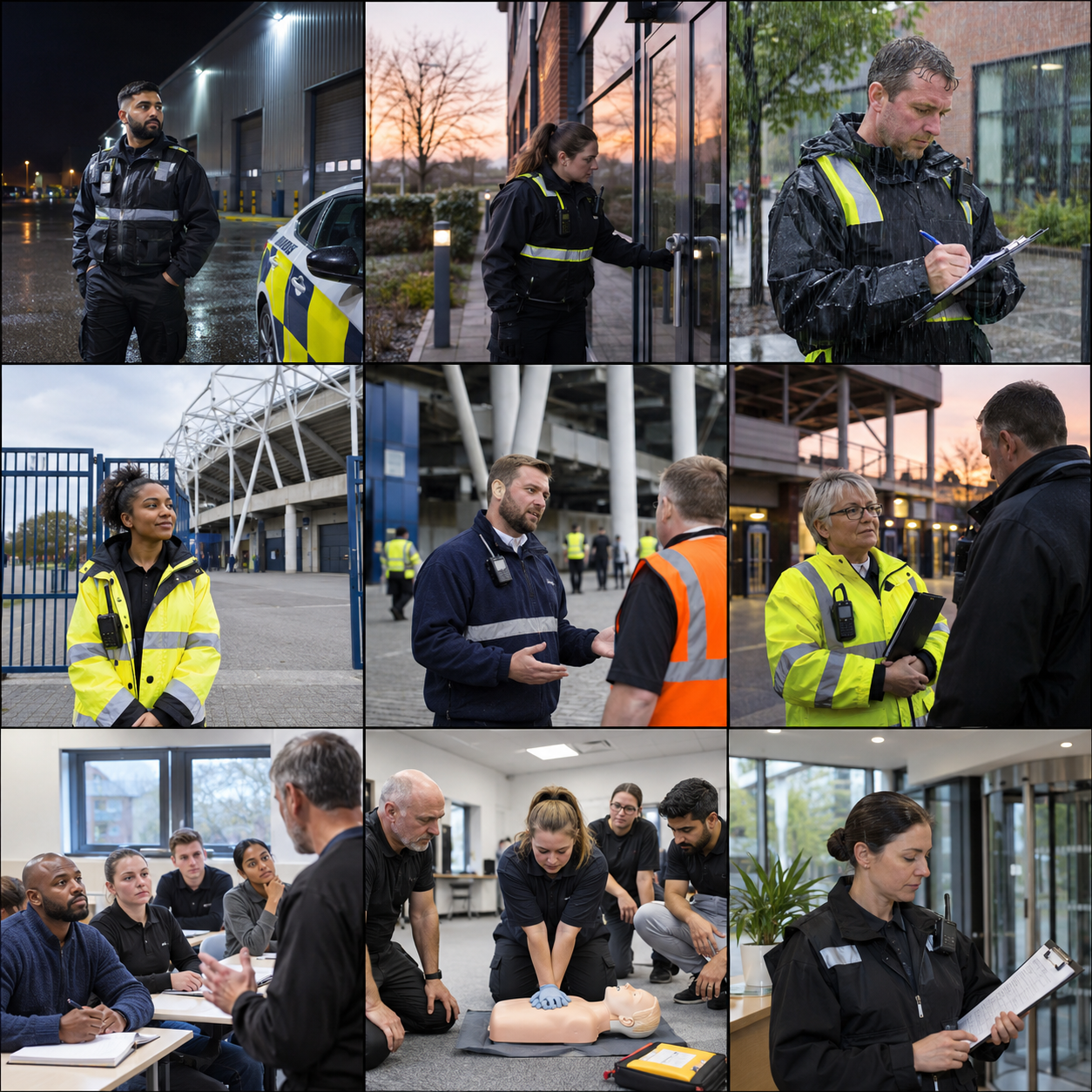
Define the check before the journey.
Explain what should be observed at each premises, when visits are requested and how exceptions are reported. Exterior observations, agreed access and key custody must be described separately. A drive past is different from a documented property check.
A route that can actually be delivered.
Provide approximate property locations first, then discuss detailed addresses and access privately. Travel time, parking, site access and the duration of each check affect feasibility and price. Vehicle-based, bicycle and foot duties are assessed on their own requirements.
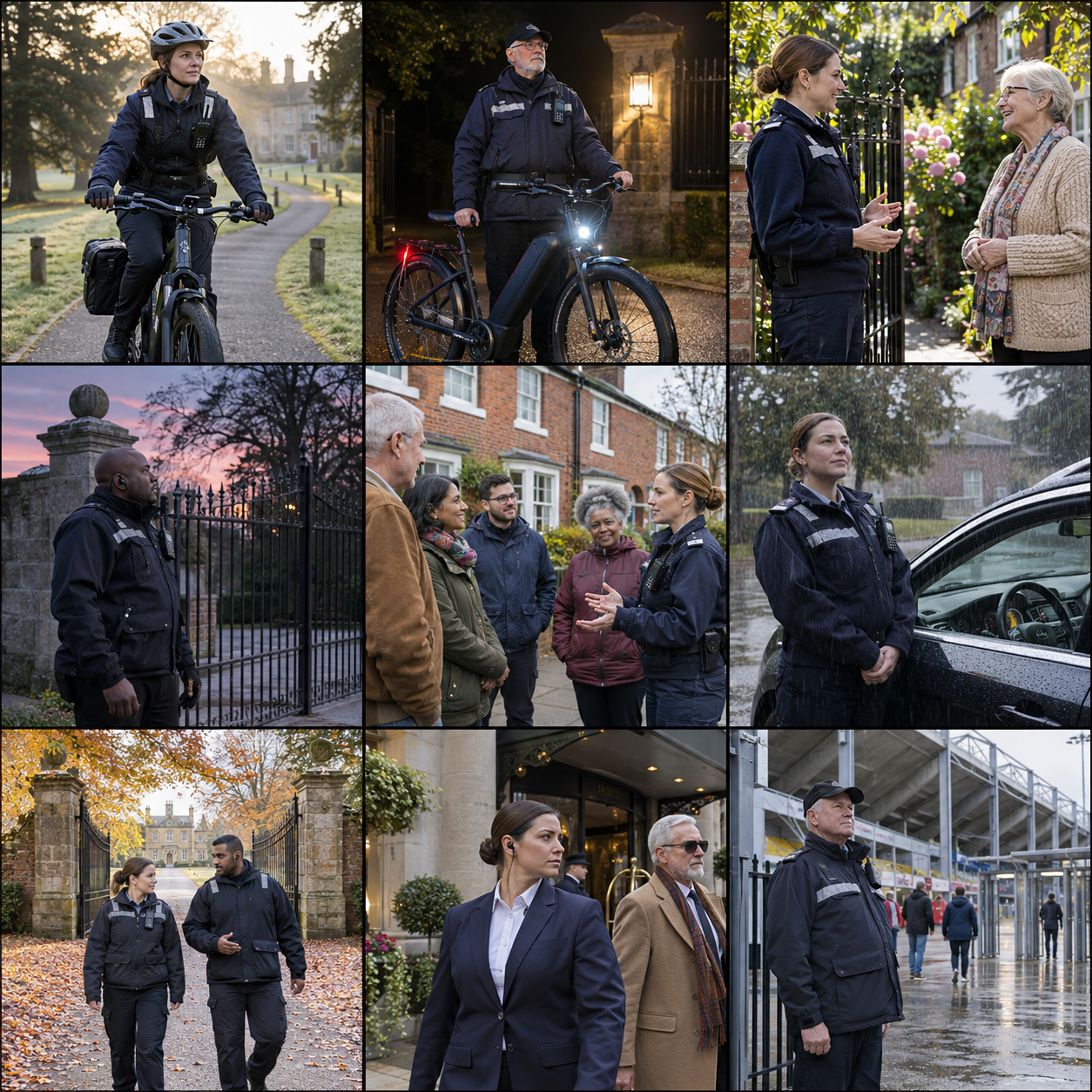
Know what happens after a concern is found.
Name the operational contact and agreed escalation instructions. Attendance and reports are recorded through the agreed service process. Live GPS tracking, a guaranteed emergency response time and automatic police attendance are not included by submitting an enquiry.
Is mobile patrol cover the same as an alarm-response contract?
No. Scheduled visits and alarm-triggered attendance have different requirements. Any alarm response, keyholding or attendance commitment must be expressly assessed and agreed.
How do I describe a site with several separate buildings?
List the buildings, access points and requested checks, including the time needed at each. This helps the organiser assess the route instead of assuming one visit covers every structure.